Install Asphalt Roof Shingles vs. Flat Roofing Systems: A Practical Difference for Homeowners
Your roof plays a big role in protecting your home, so choosing the right roofing system matters. Many homeowners often compare two common options: asphalt shingle roofs and flat roofing systems.
In this blog, you’ll understand the difference that can help you make a smarter and more confident decision for your home.
What is Asphalt Shingles Roofing
According to the data, “The U.S. asphalt shingles market was valued at about $7.2 billion in 2023 due to strong demand in residential construction and roof replacement projects.” —Gitnux
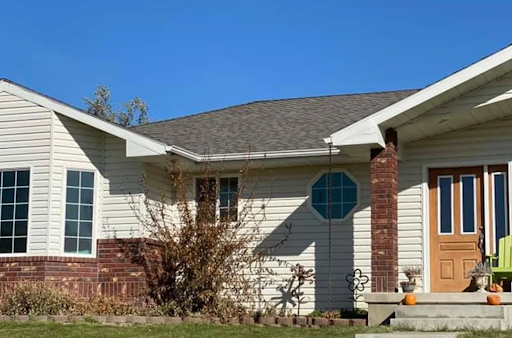
Asphalt shingles are one of the most common roofing materials used on homes in the U.S. Many homeowners choose them because they are reliable, affordable, and work well on most residential roofs.
When people decide to install asphalt roof shingles, they usually want a roofing option that is practical and long-lasting.
Here are some simple reasons why asphalt shingles are so popular:
- Budget-Friendly Options—Asphalt shingles are generally more affordable compared to many other roofing materials.
- Easy Installation—Roofing professionals can install them quickly and efficiently.
- Good Weather Protection—They help protect homes from rain, wind, and normal weather conditions.
- Simple Repairs—If a few shingles get damaged, they can usually be replaced without fixing the entire roof.
- Many Style Options—They come in different colors and designs to match different home styles.
- Suitable for Sloped Roofs—Most homes with sloped roofs are designed to work well with asphalt shingles.
Another advantage is that asphalt shingles usually last 20 to 30 years when installed properly and maintained over time. Because of these benefits, many homeowners choose to install asphalt roof shingles when upgrading or replacing their roof.
Understanding Flat Roofing Systems
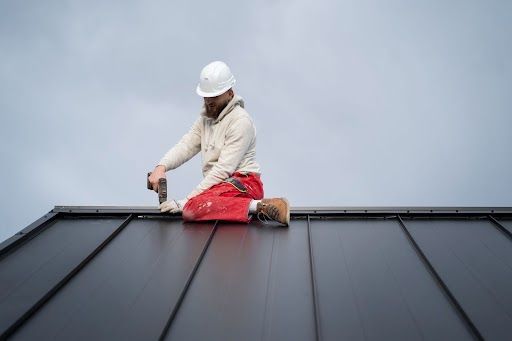
Flat roofing systems are another type of roofing option. As the name suggests, these roofs have a very low slope, so they look almost flat. They are commonly used on commercial buildings, garages, and some modern-style homes.
Even though they appear flat, they are designed with a slight angle to help water drain properly.
Here are some simple things to know about flat roofing systems:
- Modern Appearance: Flat roofs are often used in modern and contemporary home designs.
- Easy Roof Access: Since the roof is mostly flat, it is easier for technicians to access it for inspections or repairs.
- Different Roofing Materials: Flat roofs usually use materials like TPO, EPDM rubber, or modified bitumen.
- Space for Equipment: Many buildings place HVAC systems, solar panels, or vents on flat roofs.
- Good for Certain Structures: Some homes and buildings are designed specifically to support flat roofing systems.
However, flat roofs require proper installation and regular inspections. Because water does not run off as quickly as it does on sloped roofs, the drainage systems must be installed carefully to avoid water pooling.
Install Asphalt Roof Shingles vs. Flat Roofing Systems: Key Differences
If you’re trying to decide between these two roofing options, it helps to compare them side by side. Both systems have their own benefits, but the right choice usually depends on your home’s structure, budget, and maintenance expectations.
Here’s a simple key difference to help you understand the importance of both:
| Feature | Install Asphalt Roof Shingles | Flat Roofing Systems |
|---|---|---|
| Roof Design | Best suited for sloped residential roofs | Designed for low-slope or flat roof structures. |
| Installations Process | Installation is usually faster and more common for residential homes. | Requires special membranes and sealing techniques |
| Cost | Generally more budget-friendly for homeowners | Cost can vary depending on the material used |
| Durability | Typically lasts around 20-30 years with proper maintenance | Lifespan depends on materials such as TPO, EPDM, or modified bitumen |
| Maintenance | Individual shingles can be replaced if damaged | Regular inspections are important to prevent water pooling |
| Appearance | Offers many colors and styles for traditional home designs. | Provides a clean, modern look for certain buildings. |
Both roofing systems can protect your home well when installed correctly. However, many residential properties choose to install asphalt shingle roofs because they provide a strong balance of durability, affordability, and visual appeal.
When Should Homeowners Install Asphalt Roof Shingles?
Many homeowners choose to
install asphalt roof shingles because it is one of the most practical and reliable roofing options for residential properties. However, it works best in certain situations.
According to the data, “Asphalt shingles cover about 70% of residential roofs in the United States.” —ZipDo
This shows asphalt shingles are the most commonly used roofing material.
Here are some common cases where asphalt shingles are a great choice:
- Your Home Has a Sloped Roof
Asphalt shingles are designed to work best on roofs that have a noticeable slope, allowing rainwater to drain easily.
- You Want a Cost-Effective Roofing Option
Many homeowners prefer asphalt shingles because they provide good protection without a very high installation cost.
- You Want Long-Lasting Roof Protection
With proper installation and basic maintenance, asphalt shingle roofs can last 20 to 30 years.
- You Prefer a Traditional Home Appearance
Asphalt shingles come in many colors and styles, making it easy to match the overall look of your home.
- You Want Easier Repairs in the Future
If a few shingles become damaged, they can usually be replaced without replacing the entire roof.
Because of these benefits, many homeowners choose to install asphalt roof shingles when upgrading their roof or replacing an older roofing system.
When Flat Roofing Systems Might be a Better Options
While many homeowners prefer
asphalt shingles, there are situations where flat roofing systems can be a better fit. The right choice often depends on the design of the building and how the roof will be used.
Here are some cases where flat roofs may work well:
- Modern Home Designs
Some modern or contemporary houses are designed with flat or low-slope roofs to create a clean and minimal look.
- Low-Slope Roof Structures
If a building already has a slope, flat roofing materials are often the safest and most suitable option.
- Space for Rooftop Equipment
Flat roofs can provide space for HVAC systems, solar panels, vents, or other equipment.
- Easier Access for Inspections
Since the roof is easier to walk on, maintenance teams can inspect and repair the roof more conveniently.
- Certain Commercial or Mixed-Use Buildings
Many commercial buildings use flat roofing systems because they fit the structure and layout of the building.
Even though flat roofs can work well in these situations, they must be installed correctly and inspected regularly to prevent water drainage problems. This is why professional roofing services are important when choosing any roofing system.
Choosing a Reliable Local Roofing Contractor
For homeowners in Rupert and nearby communities, working with a reliable local roofing contractor can make the entire project easier. This is where
HomeTown Roofing & Construction can help.
They provide professional roofing solutions, including roof inspections, repairs, and asphalt shingle installations.
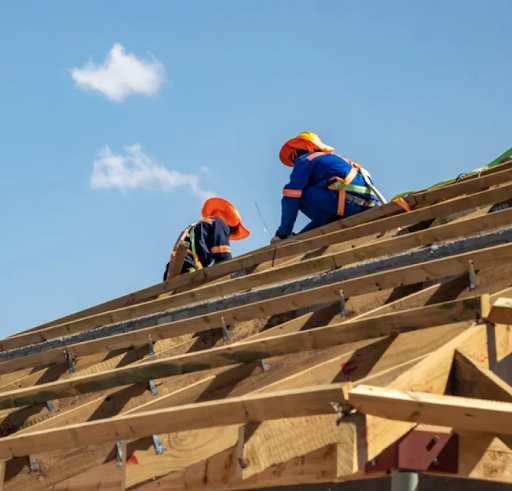
Many homeowners choose their services when planning to install asphalt roof shingles because the team focuses on quality workmanship and dependability. They understand local weather conditions and work to install roofing systems that can handle wind, rain, and everyday wear.
Their approach is simple and homeowner-friendly. The team carefully inspects the roof, explains the available options, and recommends practical solutions that fit the property and budget.
Frequently Asked Questions (FAQs)
1. How long does it take to install asphalt roof shingles?
In most cases, professionals can install asphalt roof shingles within one to three days. The exact time depends on the size of the roof, weather conditions, and the complexity of the project.
2. Are asphalt shingles suitable for all homes?
Asphalt shingles work best for sloped residential roofs. If a home has a very low slope or flat structure, a flat roofing system may be a better option.
3. Do asphalt shingles require regular maintenance?
Asphalt shingles generally require minimal maintenance. However, periodic inspections and small repairs can help extend the life of the roof.
4. Can damaged shingles be repaired instead of replacing the whole roof?
Yes! In many cases, individual shingles can be replaced if they become damaged. This makes asphalt shingles a convenient and cost-effective option for many homeowners.
Wrapping Up
Choosing the right roofing system is an important decision for any homeowner. Both asphalt shingles and flat roofing systems have their own benefits, but the best option often depends on your home’s design, budget, and long-term maintenance needs.
For many residential properties, homeowners prefer to install asphalt roof shingles because they offer a strong combination of affordability, durability, and visual appeal.
Before starting any roofing project, it is always a good idea to consult experienced professionals at HomeTown Roofing & Construction who can inspect your roof and recommend the most practical solution for your home.
Contact HomeTown Roofing & Construction now!